

“Education is not the filling of a pail, but the lighting of a fire.” — W.B. Yeats
Reflect on these words for a moment. In today’s education system, where the emphasis often lies on covering every academic standard, Yeats’ perspective invites us to think differently. How can we shift from merely disseminating information to sparking curiosity and facilitating exploration in our students? What role does curiosity play in our classroom? These questions offer us an opportunity to re-center and re-calibrate our understanding of education’s true purpose: lighting a fire within our students!
The Power of Passion in Teaching
Before we dive into project-based learning (PBL), let’s revisit our reasons for choosing this noble profession. This isn’t about a “Remember, you’re doing this for the kids” sort of moment. Before you ever met a single student, before you ever stepped into your classroom, something called you into the profession. Beyond the methodologies and educational trends lies our foundational passion for teaching. This passion is our compass, guiding us through new methodologies like PBL, transforming challenges into opportunities for innovation and engagement.
It is not uncommon for that initial passion to dwindle over the years; I have experienced that first-hand. Passion drives excellence, excitement, joy, and perseverance. When I went to my administrators, broken and ready to exit the profession, they reminded me that I AM a teacher, but I could not continue to teach the way I have always taught. I needed to find a different way to teach. Thus began my journey into the world of PBL. Not only did it reignite my passion for teaching, but it ignited my students’ interest in learning.
PBL as a Mindset
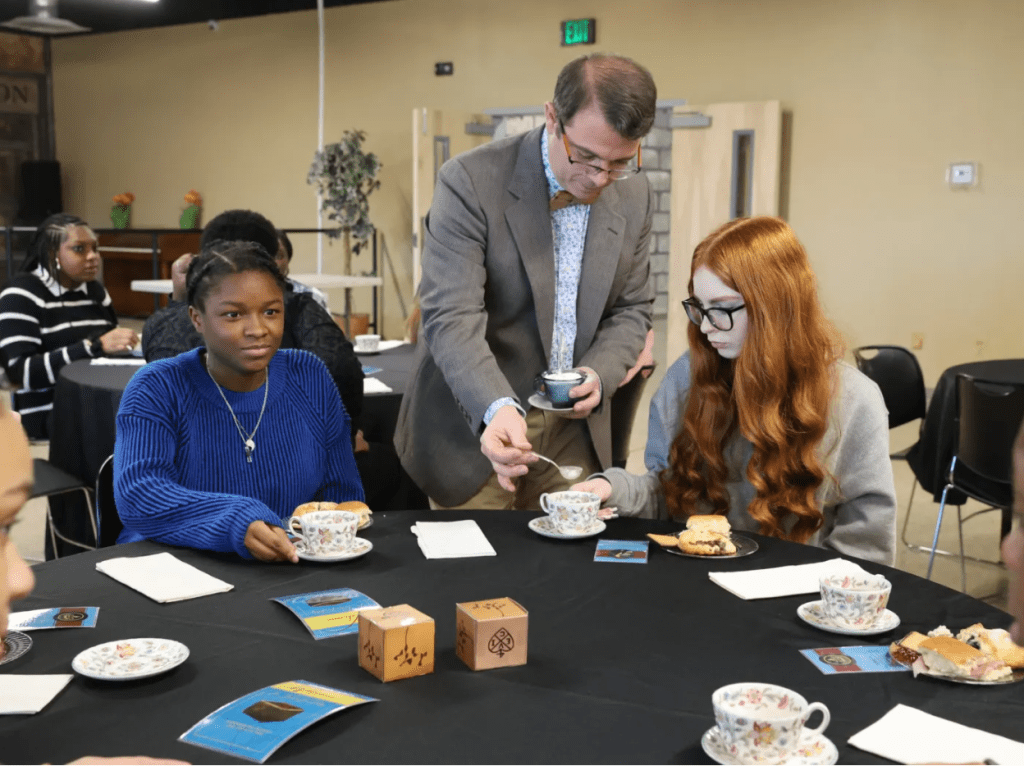
Photo Credit: Richland Source (Katie Ellington)
PBL transcends traditional teaching methods. It embodies a mindset of exploration, questioning, and application. Consider this: a survey by LKMco and Pearson Inc. highlights the desire to impact students’ lives as a primary motivation for entering the teaching profession (McNeil, 2015). PBL offers a framework for creating meaningful experiences, shifting our focus from imparting knowledge to making a real difference in our students’ lives.
Subject matter must still be taught, but how we present that information goes beyond just the imparting of facts. Students need to experience their education, not just merely sit and get. When students become active participants in learning, they are no longer learning for a test or a grade. Rather, students internalize the content in real and meaningful ways that transcend the unit or lesson. The information becomes a part of them, part of a greater solution that is destined to make a significant impact on their lives.
Addressing Misconceptions
A common misconception is that PBL must focus solely on solving real-world problems. This view can be daunting. However, PBL’s flexibility allows for student-driven projects that are meaningful and engaging, even if they don’t address global issues directly. PBL can focus on the small world of our students. Our students are passionate about their world, which may be very different from yours and mine. This passion builds meaning and purpose to the learning. The key is to create an environment where students feel empowered to pursue projects that resonate with them on a personal level. We must shift from exclusively looking at “real-world” issues to student-driven exploration.
Practical Examples of PBL in Action
To illustrate the power of PBL and its integration into the curriculum, let’s explore some real-world examples:
- Local History Projects: In a middle school history class, students were tasked with researching the history of their town. They interviewed local historians, visited historical sites, and created a documentary showcasing their findings. This project not only taught them about history but also developed their research and communication skills. It seamlessly covered state standards related to historical inquiry, primary source analysis, and presentation skills.
- Environmental Science Initiatives: In an environmental science class, students designed and implemented a recycling program for their school. They conducted waste audits, educated their peers on the importance of recycling, and collaborated with local environmental organizations. This project allowed them to apply scientific principles to a real-world problem and see the tangible impact of their work. It aligned with curriculum standards on ecosystems, human impact on the environment, and data analysis.
- STEM Challenges: A high school STEM class participated in a robotics competition where they had to design, build, and program robots to complete specific tasks. This project encouraged teamwork, problem-solving, and critical thinking, while also aligning with curriculum standards in math, science, and technology. Students learned about engineering principles, coding, and iterative design processes, all core components of the STEM curriculum.
- Art and Literature Integration: In an English class, students read a novel and then created art installations that represented key themes and characters from the book. They presented their projects at a community art show, engaging with local artists and authors. This project fostered creativity and deeper literary analysis. It met curriculum standards related to literary analysis, thematic exploration, and creative expression.
Enhancements for Engagement and Insight

Plan, Personalize, and Pursue: This PBL Pathway will help you get started on your journey. Developing a PBL approach within your classroom is a project in itself. Here are some steps to guide you:
- Plan: Begin with a clear objective. What do you want your students to learn and achieve? Develop a project outline that includes goals, timelines, and assessment criteria. Ensure these goals are directly linked to your curriculum standards.
- Personalize: Tailor the project to your students’ interests and strengths. Allow them to choose topics that they are passionate about. This personalization will increase engagement and investment in the project while still meeting curriculum objectives.
- Pursue: Encourage students to take ownership of their learning. Facilitate their research, provide resources, and support their exploration. Let them pursue their projects with creativity and curiosity, ensuring that their efforts are tied back to the learning outcomes you’ve set.
Collaborate and Reflect: Journeying by yourself can be hard, and part of PBL is collaboration. I want to encourage you to find a partner to chat with and bounce ideas off of. Reflect on what you are doing well and use your partner to process the “What if we…” or “How could I…” types of questions. Collaboration fosters innovation and provides a support system as you navigate PBL.
Conclusion

As educators, our mission extends beyond teaching facts. It’s about igniting a flame of curiosity and passion in our students. By integrating our own passions with PBL, we can transform the educational experience, making learning more engaging and meaningful. Tapping into students’ innate motivations and interests, educators can facilitate deeply engaging learning experiences that drive comprehension and retention. Let your reflections guide you as you broaden your perspective to evaluate and cultivate this PBL culture—the fertile soil from which our students’ academic and personal growth can blossom.
Reflection Prompt: How will you integrate your passions into your teaching approach to spark curiosity in your students? Share your insights and action plan on our dedicated PBL Community Forum.
Take a deeper dive into PBL and find more resources for developing your PBL classroom in Modern PBL: Project-based Learning in the Digital Age.
References:
McNeil, E. (2015, October 29). Survey Explores Why People Go Into Teaching in the First Place. Education Week. https://www.edweek.org/teaching-learning/survey-explores-why-people-go-into-teaching-in-the-first-place/2015/10


 modernpbl.com
Leave a comment