

In the dynamic and evolving landscape of education, Project-Based Learning (PBL) has emerged as a beacon of innovation, blending hands-on engagement with rigorous academic content. Yet, amid the excitement of projects, the importance and amount of direct instruction can be difficult to navigate. Can traditional teaching methods coexist with the exploratory nature of PBL? The answer is a resounding yes, and here’s why.
The Bedrock of Learning: Foundational Knowledge
Imagine building a home without a solid foundation. It may stand temporarily, but it won’t withstand the test of time. Similarly, in a PBL classroom, projects serve as the visible structure, but direct instruction provides the essential foundation. This isn’t about giving students free rein to explore without guidance; it’s about equipping them with the necessary tools to delve deeper into their projects.
Direct instruction ensures that students have access to the curriculum’s critical aspects. It offers guidance, direction, and concrete examples that students can manipulate within their unique projects. This foundational knowledge is crucial as it empowers students to engage in meaningful exploration rather than floundering in uncertainty.
Students can begin to explore content via a mind map activity, but this is just the beginning of their knowledge. Often, we have standards that must be addressed and specific curriculum that addresses those standards. Providing students with opportunities to directly apply what they have learned through direct instruction equips them with the tools and resources to construct meaningful projects. It provides necessary connections between ideas that lead to a more robust design.
Establishing a Clear Vision: Navigating the Blueprint
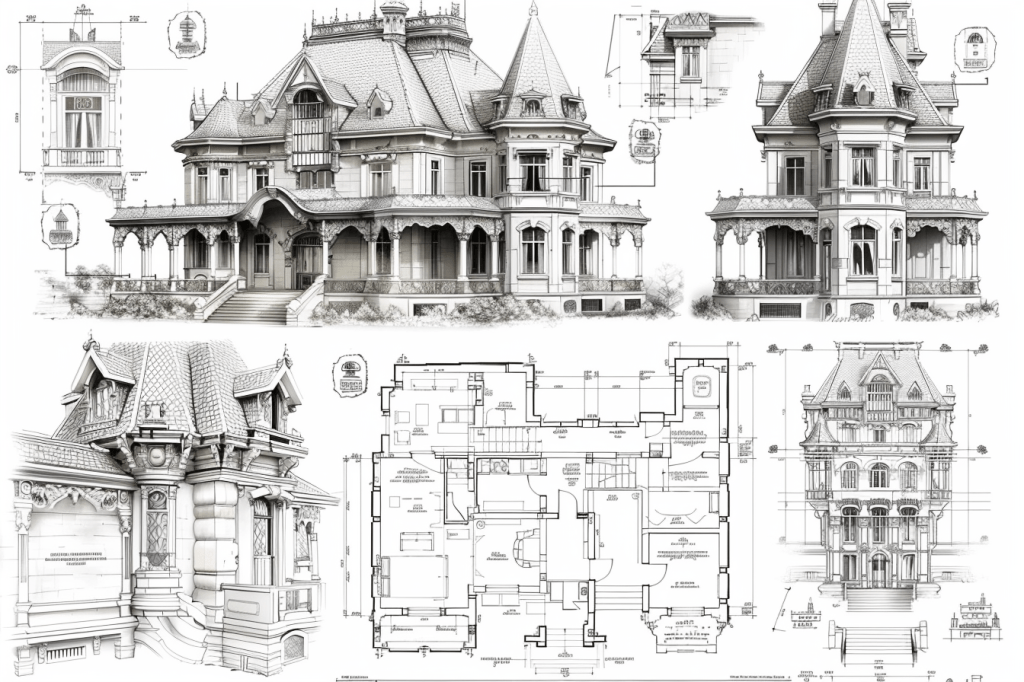
Ron Berger, the Chief Program Officer of EL Education, highlights the importance of starting with a “clear vision of the end goal,” similar to watching a skilled soccer game or an adept guitarist, providing a “clear target to aim for” (R. Berger, personal communication, October 11, 2023). Just as a home is designed with a vision of the finished structure, this vision sets the standard and instills a sense of quality and possibility in students.
Establishing this clear vision involves defining the project’s end goal clearly, providing students with high-quality exemplars, and consistently reminding them of this vision to maintain focus. This clear vision acts as the blueprint for the learning home, guiding every step of the construction process and ensuring that the final structure is strong, beautiful, and enduring.
Your role as an educator here is like a supportive architect, guiding students towards independent learning by asking probing questions, providing constructive feedback, and intervening minimally to nurture their creativity and decision-making.
Striking the Right Balance: Time Management Challenges
One of the most significant challenges educators face in a PBL environment is managing time effectively. Lean too heavily on direct instruction, and projects become secondary, stifling creativity and engagement. Conversely, if too much emphasis is placed on projects, students may lack the foundational knowledge needed for success.
To overcome this, educators must find a harmonious balance. This involves meticulous planning and a willingness to adapt. Berger recommends a flexible timeline approach, suggesting “doubling the initially estimated timeline” to create a safety net for in-depth exploration (R. Berger, personal communication, October 11, 2023). This strategy, combined with integrating standards from multiple disciplines, fosters a more realistic and engaging educational experience.
Managing timelines effectively is similar to pacing the construction of a home. It requires careful planning, flexibility, and the foresight to accommodate unexpected challenges, ensuring that each phase is completed to the highest standard.
Innovative Solutions: Leveraging Technology
Balancing direct instruction and PBL requires meticulous planning and adaptability. One innovative approach to achieving this balance is leveraging technology. In my own experience, transitioning direct instruction to video format was a game-changer. By creating 7-minute instructional videos, I enabled students to take notes at home, ensuring that class time was reserved for deeper engagement with projects. This approach also provided continuity for absent students and allowed for personalized learning experiences.
Students could pause, rewind, and rewatch videos to grasp complex concepts, catering to their individual learning needs. Additionally, integrating an AI chatbot into lessons offered on-demand tutoring, addressing questions and confusion before classroom time, further enhancing the learning experience.
Utilizing technology in this way is akin to equipping a home with smart devices, enhancing convenience and personalization in the learning environment.
The Teacher’s Dance: Knowing When to Step In and Step Out
PBL is not an “if we have time” strategy. It’s where learning, processing, and internalizing take place. The role of the teacher in this setting is very much like a dance—knowing when to step in with direct instruction and when to step back, allowing students to take the lead.
This delicate balance requires a keen understanding of each student’s progress and needs. Teachers must be adept at providing timely interventions without stifling the autonomy and creativity that PBL fosters. This dynamic interaction ensures that students are both challenged and supported, leading to a richer learning experience.
This balance is like knowing when to add finishing touches to a home and when to step back and let the inhabitants make it their own. It ensures the home is both structurally sound and personally meaningful.
Feedback Loops: Refining and Improving
In a well-built home, maintenance and upgrades are continuous processes. Similarly, feedback loops are central in PBL, creating a dynamic learning environment where students drive their learning. Immediate feedback serves as a tool for refinement and improvement, ensuring continuous growth. Berger’s “gradual release of responsibility” concept applies here, reducing guidance as students progress and fostering self-directed learning.
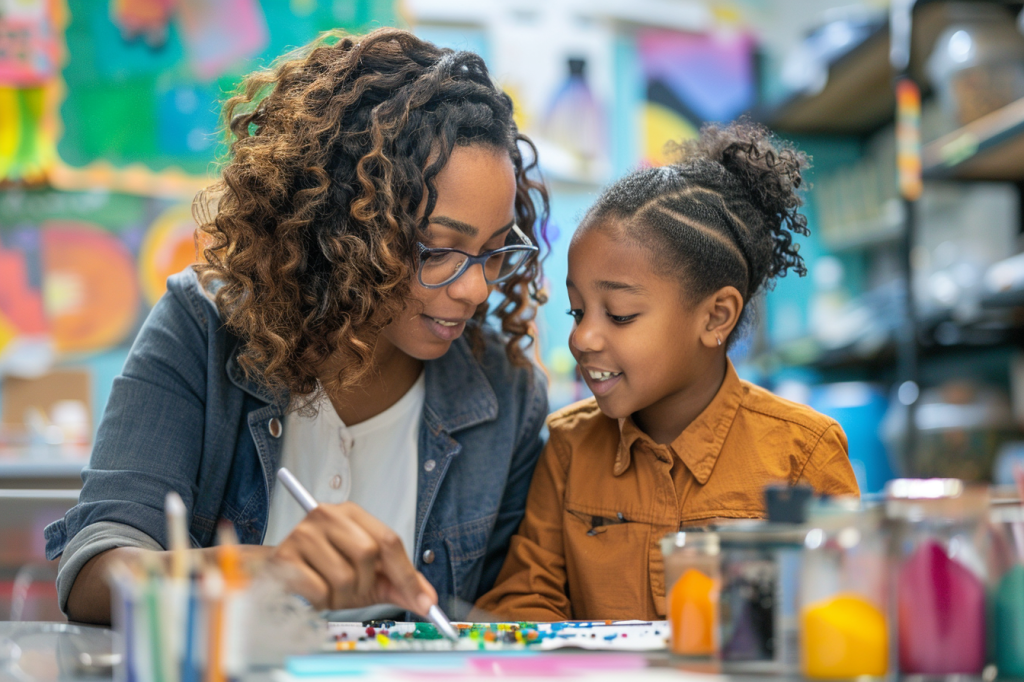
As the supportive architect, your role is to offer resources and pose challenging questions, allowing students to tackle problems and learn experientially. This approach contrasts sharply with a teacher-driven model, which can stifle student engagement and creativity, reducing PBL to mere directive assignments.
Building Life-Long Skills: Beyond Project Completion
PBL is more than just project completion; it’s about developing lifelong skills like problem-solving and independent exploration. Student ownership of projects enhances motivation and critical thinking in real-world situations. Guide students through PBL by facilitating, not directing. Create an environment for making choices and learning from mistakes without overstepping. This approach enriches learning and embodies the essence of PBL.
Students develop critical thinking by navigating project complexities and challenges in this environment. They actively engage with information, analyzing and reconstructing it. This process transforms learning from passive absorption to active analysis, evaluation, and synthesis, showcasing PBL’s power in developing discerning minds ready for real-world challenges.
Building a Home for Learning: Empowering Educators and Administrators
To teachers: Your role in a PBL classroom is pivotal. Embrace the power of direct instruction as a tool to lay the groundwork for successful projects. Use technology to your advantage, creating flexible, accessible instructional materials. Remember, your guidance provides the scaffolding students need to build their knowledge and skills, transforming your classroom into a home for learning.
To administrators: Support your teachers in this balancing act. Provide resources for creating instructional videos and integrating technology. Encourage professional development focused on effective PBL strategies and time management. Recognize that PBL, when done right, is not a supplementary activity but a core component of a vibrant educational experience, fostering a community where learning is deeply rooted and passionately pursued.
A Vision for the Goal
- For Teachers: How can you integrate brief, impactful direct instruction sessions into your PBL classroom to enhance student learning?
- For Administrators: What support systems can you put in place to help teachers balance direct instruction with hands-on project work?
- For Both: How can technology be leveraged to create a more flexible and personalized learning environment?
Plan, Personalize, and Pursue:
Let’s reframe our approach to PBL. It’s not about choosing between direct instruction and hands-on projects but about blending the two seamlessly. As educators, let’s commit to providing the foundational knowledge our students need while fostering an environment where their curiosity and creativity can flourish.
Explore new ways to balance these elements in your classroom. Experiment with technology, reflect on your practices, and share your successes and challenges with your peers. Together, we can create a learning environment where every student thrives, driven by purpose and passion.
In the end, the goal is clear: to build not just a house of knowledge, but a home where learning is deeply rooted and passionately pursued.
Check out my newest book Modern PBL: Project-based Learning in the Digital Age for a deeper dive into navigating direct instruction in a PBL classroom.


 modernpbl.com
Leave a comment