


Creating a growth mindset in the classroom is key to fostering an environment where students feel safe to explore, make mistakes, and ultimately, learn and grow. This is especially important in project-based learning (PBL), where students take charge of their learning and venture into new territories.
The Power of Relationships
Thinking back to my time as a student, I vividly remember the impact of my 6th-grade teacher, Mr. Rich Kline. It was his first year teaching, but he had this incredible knack for connecting with us on a personal level. He took the time to get to know us, made us feel valued, and created an atmosphere where we were encouraged to take risks and learn from our mistakes. His passion for teaching and genuine care for his students left an impression that still resonates with me today.
Years later, I reconnected with Mr. Kline, and his influence still inspires me. When he visited my classroom, we reminisced about his first year teaching and his approach to building relationships. Even years later, as we chatted, he smiled and said, “I am proud of you!” He was still investing in his students. Those words reinforced how important it is to create a supportive and nurturing environment for students. Building strong relationships is crucial for fostering a growth mindset. How much time do you spend getting to know your students beyond their academic abilities? Can you think of a teacher who made a lasting impact on you? What made their approach effective?
Reflecting on My Journey
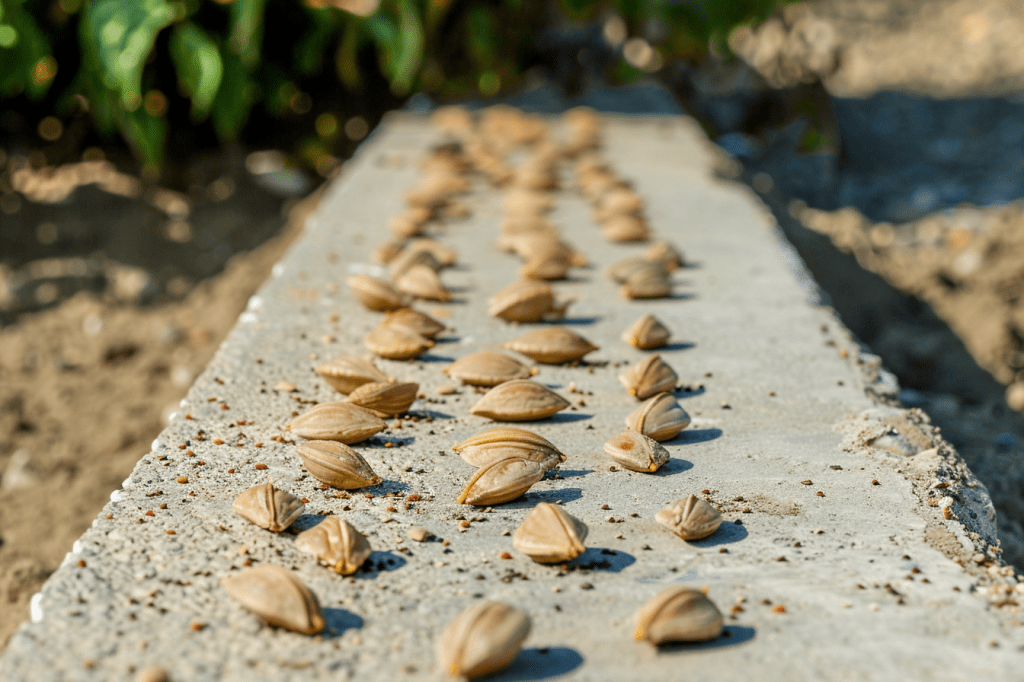
Reflecting on my own journey with project-based learning, I candidly acknowledged that my classroom setup was far from conducive to learning. It merely acted as a transit hub where students came and went. They either grasped the content, or they didn’t—there was no middle ground. Like many educators, I neglected the concept of growth, focusing solely on final grades. I mistakenly believed that my duty was fulfilled by simply delivering the content and attributed any misunderstanding to students’ lack of attention. Curiosity was sidelined as we rigidly adhered to a strict curriculum. Although I set expectations, it was like planting seeds in concrete and hoping for growth. I didn’t understand how embracing diversity could enrich the curriculum. I thought teaching objective historical facts had no bearing on a student’s background. Essentially, my classroom stifled creativity and growth; it was, in a word, toxic. I failed to see that the culture I had cultivated was the root of my frustration, discouragement, anger, and burnout.
The path to improvement begins with reflection. This self-examination is the seed of change; it enables us to make the adjustments needed for growth. It doesn’t matter where you start this journey—whether you’re at a low or high point. What matters is building a strong foundation. Your journey is uniquely yours. Avoid comparing your progress to other teachers, whether they’re next door, in another school, on social media, or in academic journals. Your journey is your own, and any progress, regardless of speed, is valuable. Comparing yourself to others can impede your growth, so focus on your own path. Here are some initial steps to help you on this journey.
Embracing Trial and Error
Shifting from a failure mindset to embracing trial and error is a key part of developing a growth mindset. I sat down via Zoom with Dr. Tony Wagner, who is a renowned educational expert in educational innovation. Dr. Wagner shared his insights on this topic: “We need to strike the word ‘failure’ from our vocabulary in educational settings. Let’s talk about this as a process of trial and error instead.” This perspective turns the educational journey into one of discovery and reflection.

In PBL, students aren’t just following a set path; they’re pioneers charting their own courses. They face challenges and gain insights along the way, and it’s through these experiences that they learn the most. Embracing a growth mindset means celebrating every experience and understanding that each ‘misstep’ is an opportunity for new revelations. How do you currently address mistakes and setbacks in your classroom? What changes can you make to foster a trial-and-error mindset among your students?
Personalized Projects: A Path to Growth
One effective way to cultivate a growth mindset is through personalized projects. Each year, I start the term with a project that allows students to express their individuality and passions. This approach not only engages students but also gives them a platform to take risks and learn from their experiences.
Grace, a quiet 7th-grader, is a perfect example. Given the chance to create something meaningful to her, Grace chose to craft a potted flower. The project reflected her love for gardening with her mom, her passion for reading, and her love of animals. This project not only showcased her talents but also boosted her confidence. The applause from her classmates and the pride in her work transformed Grace. What projects have you implemented that allow students to express their individuality? How can personalized projects enhance student engagement and confidence?
Developing a Growth Mindset Within Your Class
At first, I saw myself as the guide leading my students toward perfection. However, I realized that our true goal was growth. Embracing a growth mindset means understanding that the journey’s richness comes from unexpected detours that teach us the most. How do you currently model and celebrate a growth mindset in your teaching practice?
Dr. Wagner’s emphasis on trial and error highlights that our journey’s value lies in its continuous exploration. In PBL, students take ownership of their learning, encountering challenges and insights along the way. This process is integral to developing a growth mindset, where every experience is seen as an opportunity for growth and learning.
Embracing the Journey: Final Thoughts
Transitioning from a failure mindset to one that embraces trial and error requires intentional effort and a shift in perspective. Building relationships with students, incorporating personalized projects, and developing a growth mindset are foundational to this transformation. As educators, our role is to guide students through an enriching path marked by discovery and introspection.
Reflecting on Mr. Kline’s lasting impact, Grace’s transformative project, and Dr. Wagner’s insights, we see that the journey’s value lies in its continuous exploration. By fostering an environment where students feel valued, supported, and encouraged to explore their passions, we create a dynamic, collaborative learning space that transcends traditional education.
Dedicating time to understanding your students’ interests, backgrounds, and dreams is essential. Invest in their lives beyond the classroom, and start the term with projects that allow them to express their individuality and passions. Use these projects to foster connections and build confidence. Shift the focus from avoiding failure to embracing trial and error. Celebrate every experience as an opportunity for growth and learning.
By embracing these principles, we can create a learning environment where students are not just passive recipients of knowledge but active participants in their educational journey. Let’s move from failure to trial and error mindsets, cultivating a love of learning that will last a lifetime.
Share Your Experiences
I’d love to hear how you’re developing trial and error mindsets in your own classrooms. What strategies have you found effective? How have your students responded to this approach? Sharing your experiences can inspire and help others on their journey. Join the growing community of educators in the Modern PBL Facebook group dedicated to fostering growth and learning through this new digital era of PBL
Are you looking to continue your growth and understanding of PBL? Check out my newest book, Modern PBL: Project-based Learning in the Digital Age.


 modernpbl.com
Leave a comment