

The Awakening
For years, I used projects in my classroom. Students eagerly anticipated them. However, one year, a student’s words shook me: “I HATE YOUR PROJECTS!” It didn’t make sense. I allowed creativity and a break from routine tests. His words cut deep; I had invested so much time in creating these projects. I realized, though, they were my creations, not his. This epiphany led me to rethink my approach, realizing my projects were an add-on after learning, not an integral part of it. This was the beginning of my journey to a truly student-centered Project-Based Learning (PBL) approach.
Recognizing the Problem: The Need for Student Voice
Initially, I assigned the same project to all students, modeled what I expected, and provided explicit instructions. The focus was on me, the teacher, not the students. Though I thought I was offering choice, I controlled the topics and the format. Each of their projects was an assessment of how well they could follow directions. My classroom was teacher-driven. I needed a change but didn’t know how until I attended a session on Design Thinking at the Battelle for Kids: Educators Connect for Success Conference. This session revolutionized my approach to PBL.
The Design Lab: A New Approach to PBL
Design Thinking and Bloom’s Taxonomy

Design Thinking, originating from Stanford University’s “d.school,” encourages using prior knowledge to solve problems creatively. Integrating this with Bloom’s Taxonomy provides a robust framework for student-centered learning. Bloom’s Taxonomy categorizes cognitive skills from basic (Remembering) to advanced (Creating). Here’s how The Design Lab aligns with each level:
- Remembering: Before the unit begins, students research the essential question, recalling relevant terms and concepts.
- Understanding: Students discuss and explain their initial findings, grasping the content’s broader context.
- Applying: Through interviews and peer feedback, students apply their knowledge to new situations while also making connections to prior knowledge.
- Analyzing: Students identify areas for further exploration and justify their approaches.
- Evaluating: Developing solutions, receiving feedback, and refining projects involves critical evaluation.
- Creating: Students synthesize their learning by creating unique projects that reflect their interests and understanding.
Implementing The Design Lab: Step-by-Step
Each step within the Design Lab is timed so that you can keep the process moving along. Students are given 3, 5, and 7-10 minutes to complete various pieces and parts. There is a lot of back and forth conversation and writing throughout, thus teaching students how to talk about content and how to listen for details as they are shared.
1. Research
- Bloom’s Level: Remembering
- Action: Students research the essential question with guided terms. This step helps them recall and familiarize themselves with the unit’s content, ensuring they start with a foundational understanding.
2. Discussion and Collaboration
- Bloom’s Levels: Understanding, Applying
- Action: Students discuss their research findings in small groups. Each student explains their understanding, which promotes a deeper grasp of the content through peer teaching. During these discussions, students apply their knowledge by relating it to the essential question and considering various perspectives. This collaborative environment encourages active listening, critical thinking, and constructive feedback. Through dialogue, students refine their ideas and understand how their peers interpret the same information, fostering a richer, more nuanced comprehension of the subject matter.
3. Identifying Gaps
- Bloom’s Level: Analyzing
- Action: Students work together to identify areas where their understanding is incomplete. This involves critical analysis of their current knowledge, pinpointing specific gaps that need further exploration. They engage in self-assessment and peer review to highlight areas of uncertainty or confusion. By recognizing these gaps, students develop targeted questions and research strategies to address them, laying the groundwork for deeper investigation and more informed project development.
4. Solution Development
- Bloom’s Level: Creating
- Action: Students brainstorm and develop project ideas. They use their understanding of the essential question and the knowledge gaps identified to propose innovative solutions or representations. This creative process encourages divergent thinking, where students explore multiple possibilities before narrowing down their ideas to a feasible project plan.
5. Feedback and Refinement
- Bloom’s Levels: Evaluating, Creating
- Action: Students present their project ideas to peers and receive constructive feedback. This step involves critical evaluation, where they assess the viability and effectiveness of their proposed solutions. Based on the feedback, students refine and improve their projects, ensuring they address the essential question comprehensively and creatively.
6. Project Creation
- Bloom’s Level: Creating
- Action: Students create their final projects, incorporating the feedback and refined ideas. This synthesis of learning results in unique, student-driven projects that reflect their individual interests and understanding of the content.
Challenges
Because this process will be new and for some, foreign, it is important to walk students through the process. Modeling expectations will help the Design Lab to run smoothly. Depending on how long your class sessions are, the design lab can take 1 or 2 class sessions to complete. As students work through each portion of the Design Lab, walk around the room and listen to conversations. This will help to ensure that conversations are on topics, and you will be able to validate great points they are making.
The Impact of The Design Lab
Engagement and Ownership
The Design Lab process transforms the classroom. Students are no longer passive recipients but active participants in their learning journey. By giving students a voice in how they represent content and the ability to differentiate based on their interests, they dive deeper into the material and make meaningful connections. This approach not only enhances engagement but also fosters a love for learning.
Practical Examples
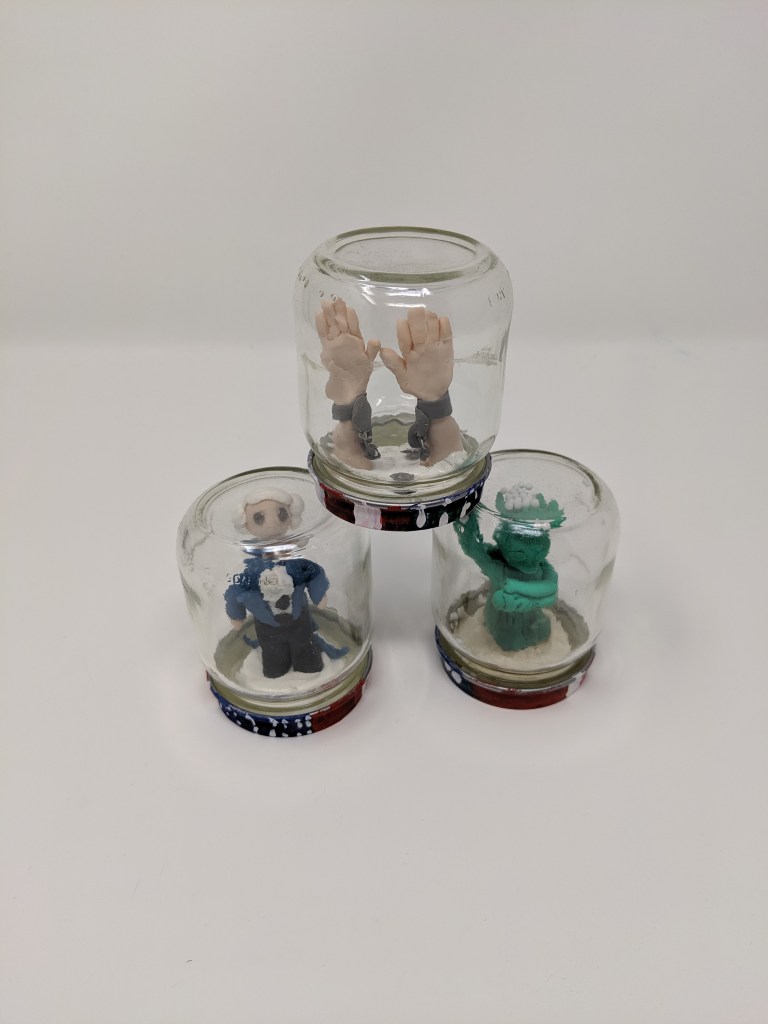
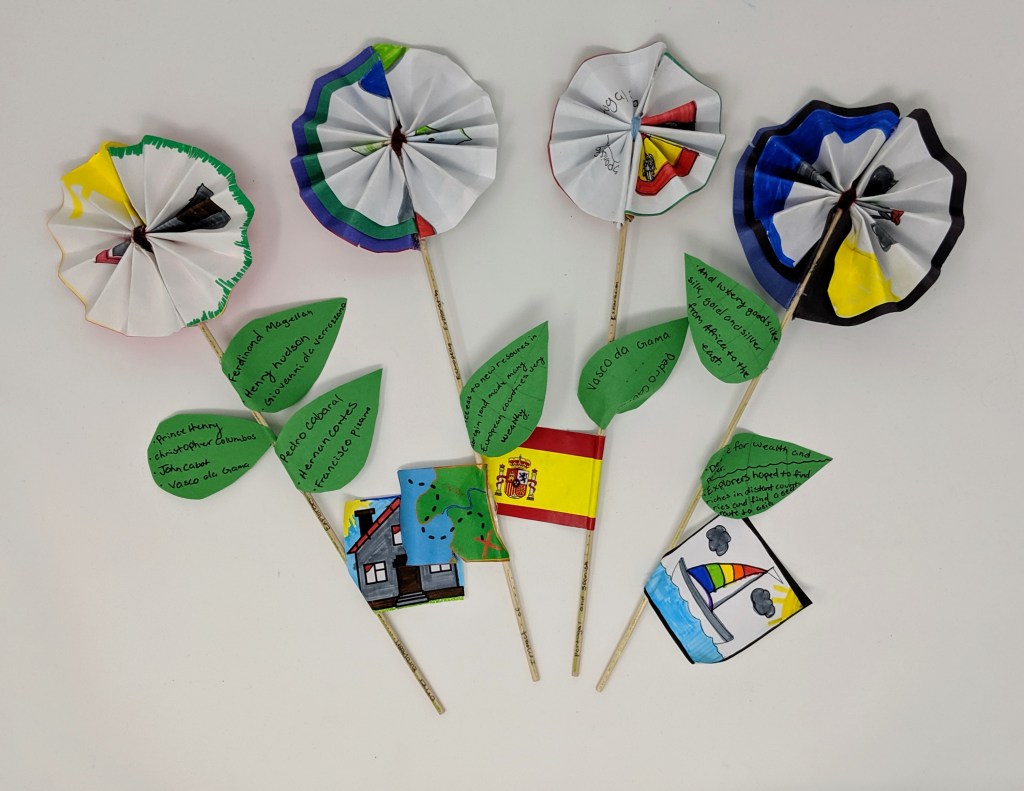
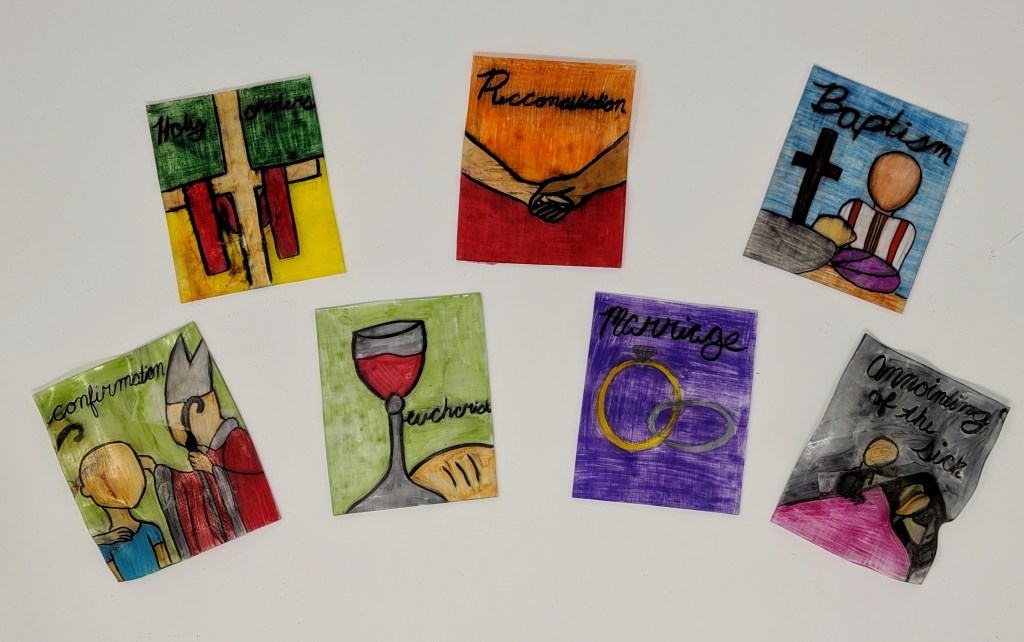
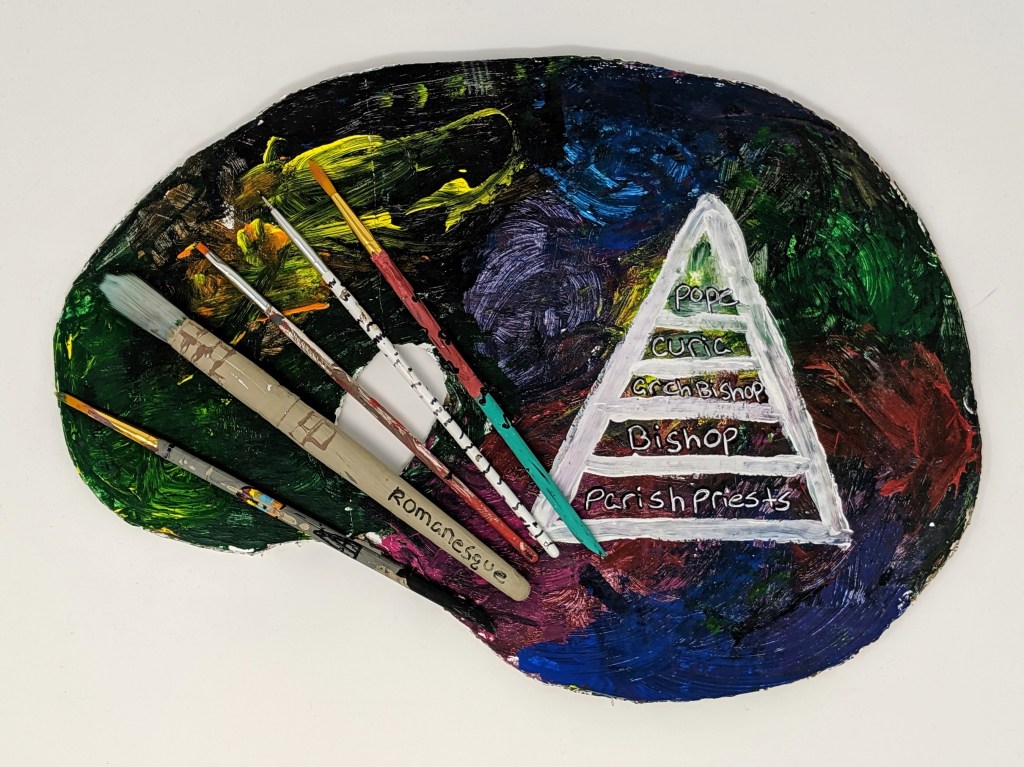
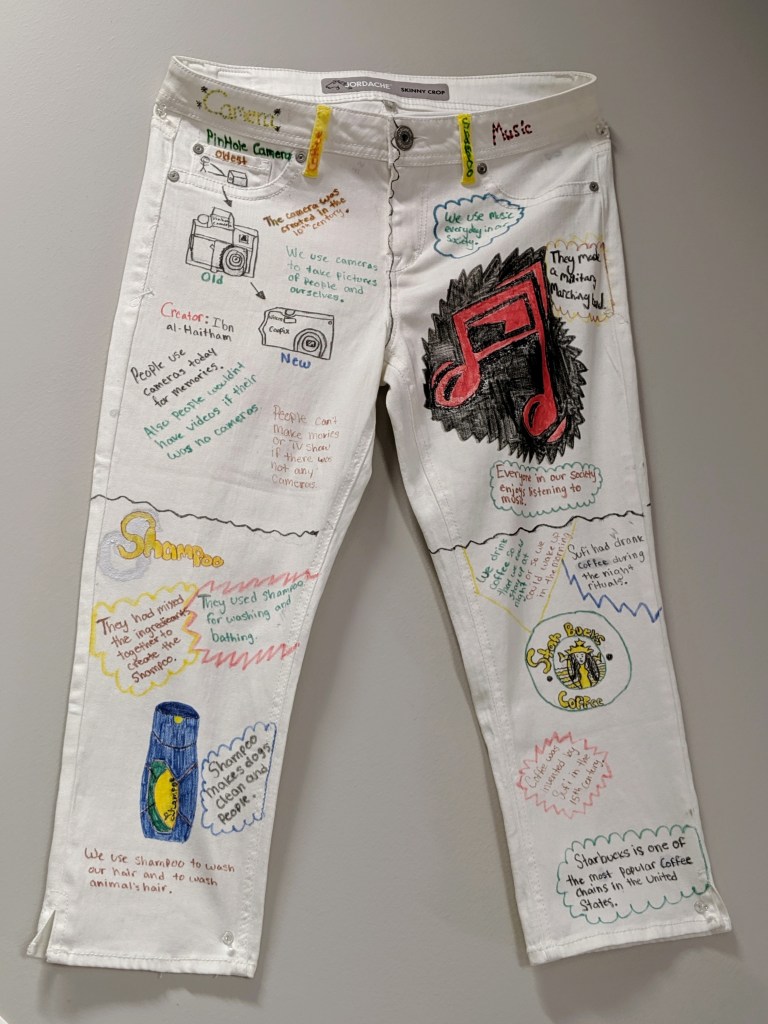
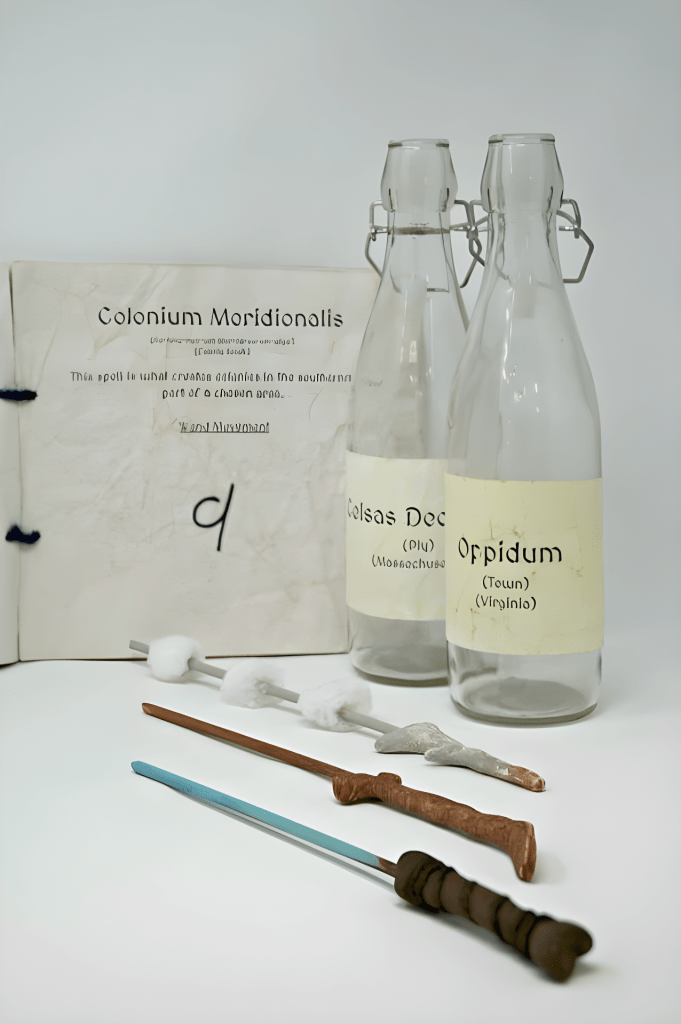
Students have created diverse projects such as Minecraft worlds representing historical periods, songs about scientific concepts, and creative writing pieces that explore literary themes. These projects go beyond traditional assessments, allowing students to demonstrate their understanding in innovative ways.







Embracing a Student-Centered Approach
Project-Based Learning is about diversity in thought and expression. The Design Lab empowers students to take ownership of their learning, aligning with Bloom’s Taxonomy to develop higher-order thinking skills. By centering the learning process around the students, we create an environment where they thrive, fueled by curiosity and passion.
Here are pages 1 and 2 of the document that I use with my students. You are more than welcome to download the 5 page document for use in your classroom.


For more resources like this as well as other transformative strategies for moving your class to a PBL environment, check out my newest book Modern PBL: Project-based Learning in the Digital Age.


 modernpbl.com
Leave a comment