

The bell rings, and a sea of students pours into the classroom, some entering empty-handed, others already asking to leave the room to get this or that. For many students, school feels like a series of hoops to jump through rather than an exciting journey of discovery. This apathy is a significant challenge for educators, and one that becomes even more pronounced when trying to engage students with big, real-world problems. How do we make climate change, global poverty, or technological ethics resonate with a 12-year-old who feels disconnected from these vast issues?
The answer lies not in the problems themselves but in how we approach them. To effectively engage students, especially those whose worlds are small due to limited exposure or interest, we need to rethink our strategies. We must connect these big issues to their lives, spark their passions, and equip them with the skills to make a difference.
Understanding the Disconnect
Imagine being asked to solve a complex puzzle without knowing what the final picture looks like. This is often how students feel when confronted with real-world problems. These issues can seem abstract and overwhelming, especially for those whose experiences are limited by socioeconomic constraints or a lack of interest.
Many students struggle to relate to these problems because they lack the necessary background knowledge and context. For example, asking a student who has never traveled outside their hometown to understand the nuances of global poverty can be daunting. The issue seems distant, and without a personal connection, it’s hard for them to see its relevance.
Step 1: Tap into Passions
The Power of Passion

One of the most effective ways to bridge this gap is by tapping into students’ passions. When students are passionate about a subject, their engagement skyrockets. Passion fuels curiosity and perseverance, essential ingredients for tackling complex problems.
Practical Application:
- Interest Surveys: Start the school year by conducting interest surveys to discover what your students are passionate about. Use this information to tailor your lessons and projects.
- Passion Projects: Allow students to choose topics that interest them for independent or group projects. For example, if a student loves art, they could create a mural addressing an environmental issue.
Skill Development Through Passion Projects
Focusing on real-world skills within the context of students’ passions can significantly enhance their engagement and learning outcomes. Skills such as critical thinking, problem-solving, and collaboration are vital for addressing any significant problem. By embedding these skills in projects that align with students’ interests, you create a powerful learning experience.
Practical Application:
- Coding with Purpose: For students interested in technology, start with basic coding projects and gradually introduce more complex challenges, like designing a game that educates players about climate change.
- Art with Impact: Have students use their artistic skills to create posters, videos, or social media campaigns about important issues like recycling or conservation.
Step 2: Connect to Local Contexts
Making the Connection to Local Contexts
Another effective strategy is to frame global issues in a local context. Students are more likely to engage with problems that feel relevant to their lives and communities. This approach helps them see the direct impact of their actions and understand that they can make a difference.
Practical Application:
- Community Projects: Organize projects that address local issues. For instance, a clean-up campaign for a local park can help students understand broader environmental issues.
- Local Experts: Invite local professionals or community leaders to speak about how global issues affect the local community. This could be a local scientist discussing pollution in a nearby river or a business owner talking about sustainable practices.
Providing Exposure
Exposure to diverse experiences and perspectives is crucial for broadening students’ horizons. However, financial constraints can limit access to such opportunities. Fortunately, technology offers numerous ways to bridge this gap.
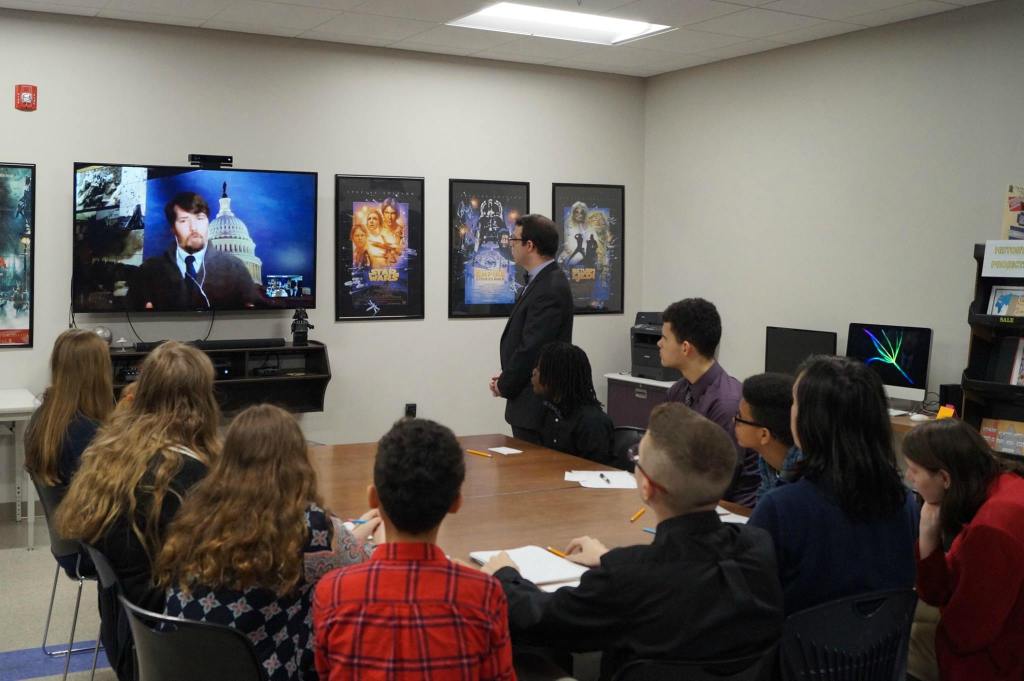
Practical Application:
- Virtual Field Trips: Use virtual reality or online tours to visit places like the Amazon rainforest or historical landmarks. This can make abstract issues more tangible.
- Guest Speakers: Leverage video conferencing tools to connect with experts from around the world. This can include scientists, activists, or professionals who can provide firsthand insights into real-world problems.
Step 3: Build Empathy and Personal Connection
Building Empathy and Personal Connection
Empathy is a powerful motivator. Sharing personal stories of individuals affected by real-world problems can make these issues more relatable and emotionally engaging for students. When students see the human side of an issue, they are more likely to care and want to take action.
Practical Application:
- Storytelling: Incorporate storytelling into your lessons. Share videos, articles, or invite guests who can tell their personal stories about facing and overcoming challenges.
- Service Learning: Engage students in service-learning projects where they can meet and help individuals affected by the issues they are studying. This direct interaction can be profoundly impactful.
Challenges and Balancing Theory with Practicality
Addressing Challenges
Engaging students with real-world problems is not without its challenges. Students may feel overwhelmed by the complexity of these issues, or they may struggle to see the relevance to their own lives. Additionally, logistical and financial constraints can limit the scope of projects and exposure opportunities.
Practical Solutions:
- Scaffold Learning: Break down complex problems into smaller, more manageable parts. Start with simpler projects and gradually increase complexity as students build confidence.
- Resource Sharing: Collaborate with other teachers, schools, and community organizations to share resources and expertise. This can help mitigate financial and logistical constraints.
Conclusion: Creating a Pathway to Engagement
Engaging students with big real-world problems in a meaningful way requires a multifaceted approach. By connecting these issues to their passions, local contexts, and personal stories, we can make learning more relevant and engaging. Providing opportunities for skill development and exposure to diverse experiences further equips students to tackle complex problems.
Ultimately, the goal is to foster a sense of agency and empowerment in students. When they believe that they can make a difference, they are more likely to engage deeply with their learning and take on the challenges of the world with confidence and enthusiasm. By bridging the gap between their immediate world and the broader global context, we can transform apathy into action and create a generation of thoughtful, passionate problem-solvers.
What are your thoughts? Share how you are addressing student apathy in your classroom. For a deeper dive into PBL, check out my latest book, Modern PBL: Project-based Learning in the Digital Age.


 modernpbl.com
Leave a comment