
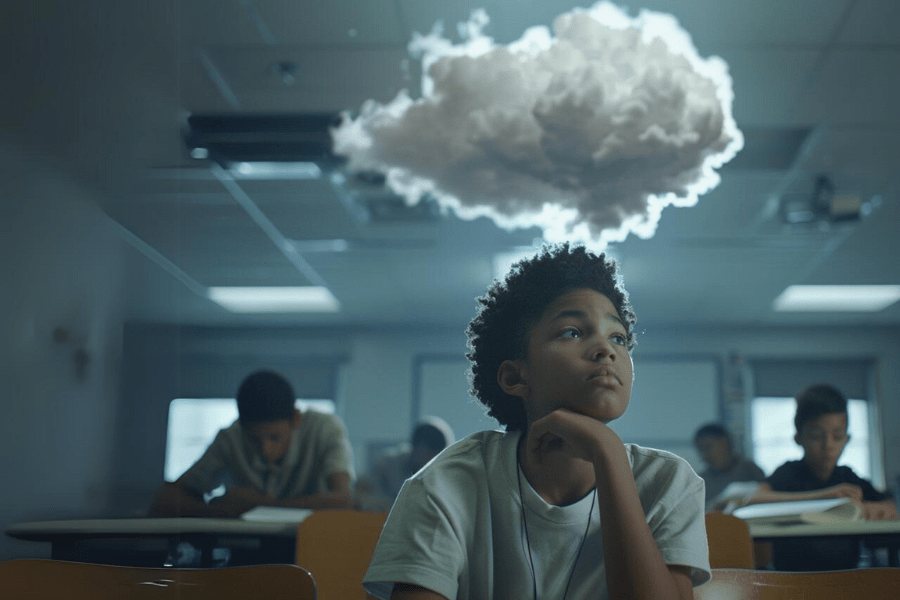
Within Project-Based Learning (PBL), setting goals is a common practice. Educators often emphasize the importance of having clear, ambitious goals to guide students’ efforts and measure their success. However, goals alone are not enough. Without effective systems in place to support them, goals can quickly become mere dreams—beautiful but unattainable. Additionally, focusing on where students are headed rather than where they started can profoundly enhance their learning experience and growth.
Denzel Washington said, “Dreams without goals are just dreams and ultimately they fuel disappointments. On the road to achieving your dreams, you must apply discipline, but more importantly, consistency. Because without commitment, you will never start, but without consistency, you will never finish.” Developing systems that focus on discipline, commitment, and consistency are crucial for turning goals into reality in a PBL environment.
The Limitation of Goals in PBL
Goals are essential for providing direction and motivation. They give students something to strive for and a way to measure their progress. However, goals have inherent limitations in a PBL context:
Fixed Outcomes
Goals are often fixed outcomes, such as completing a project by a specific date or achieving a particular grade. This implies a rigid end point. Once students achieve a goal, they might lack a sense of direction or purpose for their continued learning.
Think about a project you have recently completed with your students. Did the focus on the end goal overshadow the learning process? How could you have structured it differently to ensure ongoing engagement and deeper learning?
All-or-Nothing Mindset
Goals can create an all-or-nothing mindset. If students fall short of their goal, it can feel like a failure, which can be demotivating. This mindset overlooks the progress and skills developed along the way.
Have you noticed students feeling disheartened when they don’t meet their goals? How can you shift their focus from the final outcome to appreciating their progress and learning journey?
Short-Term Focus
Goals often focus on short-term achievements rather than long-term growth. They may not account for the incremental changes and improvements that lead to sustained success in PBL.
Consider a recent project with your students. Were they more focused on completing tasks or mastering the content? How can you help them develop a more sustained, growth-oriented approach?
The Power of Systems in PBL

Systems are the processes and routines that help students achieve their goals. They are the daily habits and practices that make progress inevitable. By focusing on systems, educators create a structure that supports continuous improvement and long-term success. Here’s why systems, grounded in discipline, commitment, and consistency, are more powerful than goals in a PBL environment:
Continuous Improvement
Systems emphasize the process over the outcome. They encourage students to make small, consistent improvements that add up over time. This approach fosters a growth mindset and resilience.
Classroom Activity: Implement a system of regular peer reviews and feedback sessions for ongoing projects. Encourage students to focus on incremental improvements and celebrate their progress along the way.
Sustainability
Systems create sustainable habits and routines. Unlike goals, which are often temporary, systems are ongoing. They become part of students’ daily lives, making it easier to maintain progress and adapt to new challenges.
Classroom Activity: Establish a routine where students dedicate the first 10 minutes of each class to practicing key skills or reviewing previous lessons. This consistent practice helps reinforce learning and build sustainable habits.
Flexibility
Systems are adaptable. If students encounter obstacles or setbacks, they can adjust their systems without abandoning their overall direction. This flexibility helps them stay on track and continue moving forward.
Classroom Activity: Create a flexible project plan template that allows students to adjust their tasks and timelines as needed. Encourage them to reflect on what’s working and what’s not, and make necessary adjustments.
Shifting Focus: From Shared Past to United Future

While understanding students’ backgrounds and starting points is crucial, there is an even more powerful narrative in a PBL environment: where our students are headed. Shifting focus from a shared past to a united future can transform the way students engage with each other and their learning. Here’s why focusing on direction over origin is impactful:
Shared Vision and Goals
When students work on projects with a shared vision, they become more invested in the process and the outcome. This shared vision helps students see beyond their individual starting points and focus on what they can achieve together.
Engagement Tip: Start each project by developing a shared vision statement with your students. Discuss what they hope to achieve and how they can work together to reach their goals. This collaborative vision can guide their efforts throughout the project.
Collaboration and Synergy
Students who are aligned in their direction can collaborate more effectively. They bring diverse strengths and perspectives, which can lead to innovative solutions and enhanced learning experiences.
Engagement Tip: Facilitate team-building activities that highlight each student’s strengths and how they can contribute to the project. Encourage students to appreciate and leverage their diverse skills and perspectives.
Diverse Strengths and Perspectives
While students may start from different places, their unique strengths and perspectives can contribute to a richer learning environment when they are united by a common direction. In PBL, this diversity is an asset.
Engagement Tip: During project planning, have students identify their strengths and interests and discuss how these can be utilized within the team. Encourage them to view diversity as a strength and explore ways to integrate different perspectives into their work.
Building Effective Systems in PBL
To turn goals into reality, educators need to develop systems that support students’ objectives and emphasize a united future. Here are some steps to build effective systems in a PBL context:
- Identify Key Processes: Determine the key processes and habits that will help students achieve their goals. For example, if the goal is to complete a history project on the American Revolution, the system might include daily research, weekly group meetings, and regular progress check-ins.
- Focus on Consistency: Consistency is crucial for developing effective systems. Encourage students to make small, manageable changes that they can maintain over time. Consistent effort, even if it’s modest, is more effective than sporadic bursts of activity.
- Measure Progress: While goals provide a destination, systems help track the journey. Develop metrics to measure progress within the system. This could be the number of research hours logged, milestones reached, or group discussions conducted. Regularly review these metrics to see how well the system is working.
- Adjust and Adapt: Systems should be flexible and adaptable. If something isn’t working, don’t be afraid to make adjustments. Experiment with different approaches until finding what works best for the project and the students.
How can you develop a system for your current project that emphasizes process and adaptability? What small changes can you implement to create consistent progress?
Systems in Action: PBL Examples
Let’s explore how focusing on systems over goals and emphasizing a united future can transform PBL projects.
Example 1: History Project
Goal: Complete a comprehensive project on the American Revolution by the end of the semester.
System:
- Daily Research: Allocate time each day for students to research different aspects of the American Revolution. Encourage them to take notes and share findings with their peers.
- Weekly Meetings: Hold weekly group meetings to discuss progress, address challenges, and plan next steps. These meetings should focus on incremental improvements and collaborative problem-solving.
- Progress Check-ins: Implement regular check-ins where students present their progress and receive feedback from peers and the teacher.
Outcome: By focusing on daily research, weekly meetings, and regular check-ins, students develop a deeper understanding of the American Revolution, enhance their research skills, and build effective collaboration habits.
Example 2: Math Project
Goal: Design a sustainable city and present it at a science fair.
System:
- Daily Practice: Dedicate time each day for students to work on specific aspects of the project, such as mathematical calculations, design sketches, and sustainability research.
- Peer Reviews: Implement a system of regular peer reviews where students present their work to classmates and receive constructive feedback. This process encourages iterative improvements and collaborative learning.
- Iterative Improvements: Encourage students to make small, ongoing improvements to their designs based on feedback and new information. This iterative process helps them refine their ideas and develop a more robust final project.
Outcome: By focusing on daily practice, peer reviews, and iterative improvements, students develop strong problem-solving skills, enhance their understanding of sustainability, and create a well-rounded and impactful project. The science fair presentation becomes a celebration of their ongoing efforts rather than a final judgment of their success.
Conclusion
In the world of Project-Based Learning (PBL), goals are important but insufficient on their own. Without effective systems to support them, goals remain aspirations rather than attainable targets. Educators play a crucial role in creating these systems, which provide the structure and routines necessary for sustained growth and success. By focusing on continuous improvement, sustainability, and adaptability, educators can empower students to achieve their goals while fostering a united future focused on collective progress.
Reflect on your current teaching practices. How can you develop more effective systems to support your students’ goals in PBL? Consider implementing some of the strategies discussed in this article and share your experiences with colleagues. Let’s work together to build a future where every student’s dreams can become a reality through the power of systems in Project-Based Learning.


 modernpbl.com
Leave a comment