
The more I study project-based learning, the more I realize how natural it is in life. Life is just approaching one problem or project after another. Rarely is it solved in one sweeping movement. We use our skill sets, interests, and passions to address our day, but we often overlook the direct alignment our life plays with Project-based Learning.
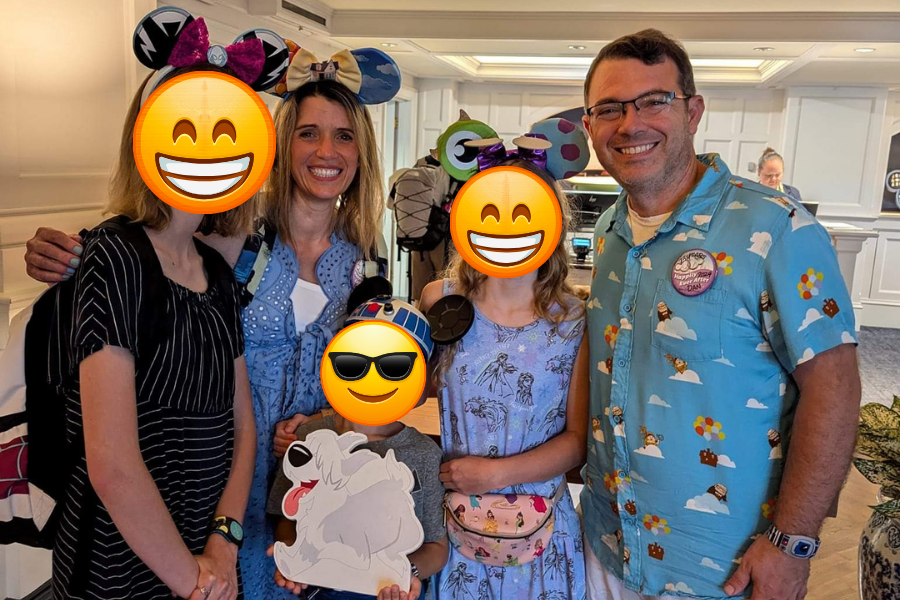
Our Trip to Disney
My family recently went to Walt Disney World. My wife took the reins of planning the trip. She looked at which hotel to stay at, figured out whether or not to add the dining plan to the adventure, and weighed purchasing the Lightning Lane package. She is skilled at planning such events and even enjoys it. I was tasked with travel. I looked at which airlines to take and how to get to and from the airport. We worked as a team to plan and execute a magical trip for our family.
Overcoming Challenges
We began with an overarching question, “How can we design a Disney vacation that helps each of our family members experience magic?” This question wasn’t answered in a moment; it took time. This question was first asked in 2018. We started planning and had everything in place for a summer trip in 2020. We were so excited. Then COVID-19 caused the trip to be canceled. Though our plans changed, we were resolved to go as soon as we could, and tried to remain as positive as possible. This gave us more time to save up and create an even more magical experience for our family.
Fast forward to early 2024. We knew this was going to be the year to make this trip a reality. Our overarching question had not changed. We were united in our mission, and though our tasks looked different, both were vital for addressing the question. My wife and I had different topical essential questions. Mine dealt more with how we were going to get there, and hers dealt more with what we were doing once we got there. Then we each had even more diverse driving questions: which airlines, do we Uber from the airport or take a bus, which restaurant should we eat at for dinner, which restaurants serve mac and cheese (because that is our son’s favorite food)? We each had our own set of questions that really helped us target our understanding and drove our research, but each question still helped to address the overarching question: How can we make a Disney vacation happen for our family? We shared with each other what we were working on and how things were going, and as we checked things off our lists, there was a sense of accomplishment. The day came when all reservations had been made and all payments had been made, but that didn’t mean that the question had been answered. We still had to execute the plan.
Execution and Adaptability
Once we got to the airport, we would find out how well each of us had done in our planning and execution. Each step of the way, we were able to see how honoring the giftedness of the other enabled us to create something magical for our family. We even built-in contingency plans in case something needed to be changed. If there is one thing you cannot plan for, it is the weather. We made sure to pack ponchos for the random rainstorm and plenty of sunblock for the scorching sun.
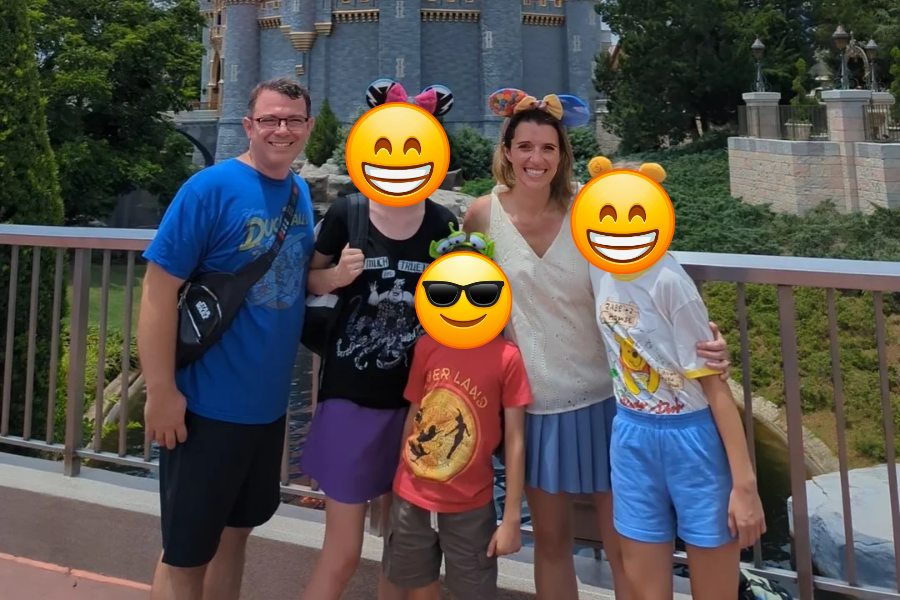
A factor that is often overlooked in any project but often has the largest impact is attitude. My wife and I could have planned an incredible trip for our family, but if we had terrible attitudes with each other or our children, it could have ruined the entire trip. Though we cannot control the attitudes of others, we can control our responses to them. Our responses can encourage and redirect a reaction due to fatigue or change of plans. The same is true even when interacting with our students.
The amount of energy that it took to produce a magical Disney vacation for our family was not even realized until it was done. We had invested all of our energy into this project and then crashed for two days when it was over. We were all in and gave it all we had, and yes, it was magical.
Applying PBL in the Classroom
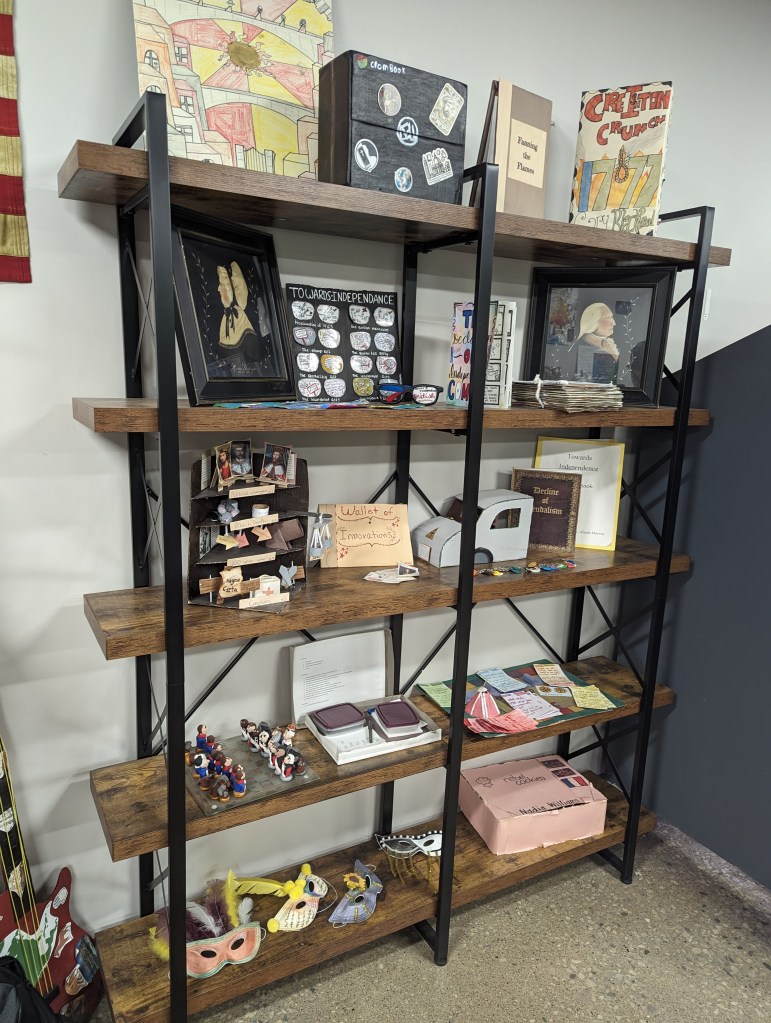
If we are going to equip students for the future, PBL is a natural fit. One of the biggest differences between the real world and our classroom is that we are able to build future ready skills within a safe and manageable environment. We are able to put students in scenarios or present them with diverse problems that enable them to face and adapt to the challenges they will encounter.
As students dive into the various aspects of the project, they can develop and address topical and driving questions that will help provide them with greater focus. And as students are able to address their various questions, they need opportunities to share their successes with their peers. It also is extremely beneficial for them to be able to chat with others when they hit roadblocks. Being able to brainstorm and bounce ideas off of one another also adds intrinsic value to each of the students in the class.
Depending on the scope of your students project, if it is specific to one content area or multiple, would determine the degree of variance in the questions students explore. Let’s cycle back to the Disney experience. If students in a social studies class were to explore the Topical Question, “How was the Continental army able to win the war for independence from Great Britain?” Students could develop a portion of a theme park that represents this question. Students could look at what food could be served in this area and make it reflective of what was served in taverns during the Revolutionary War. They could have employees dressed in uniforms that resemble colonial America attire with hints toward Great Britain or America. The students could design storybook rides and even what type of vehicle the guests would ride in. They could determine which events could create the best retelling as to why the Continental Army was able to win. Someone may want to design souvenir shops and figure out what sorts of items to sell. There are so many directions to take this question, and it could be explored in various classes. Maybe this could be used to teach proportions in math or storytelling in ELA.
Building in contingency plans to the projects students engage with helps them to plan ahead. Help students to see the problems before they happen. Ask your students questions to see how they would approach potential issues. If you can get them to start thinking about potential issues, then they can better anticipate them and even take preventative measures to ensure a more successful outcome.
Now is where the rubber meets the road. When students get to put everything into action and they get to see all of the pieces and parts come together in beautiful harmony, there is a sense of accomplishment that will propel them in their next project. This culminating moment will produce a lot of learning for your students. They will be reflective, identifying what worked really well as well as the errors that may have been overlooked. The value in this reflection will directly impact how they move forward.
When you look at your life, how do you naturally do project-based learning? How can you begin to integrate those natural tendencies into how your students approach the content covered? How can you allow their interests, passions, and curiosities to be assets to their engagement with the curriculum?
I would love for you to share how you see PBL naturally fitting into your day and how you plan to integrate that into your classroom.


 modernpbl.com
Leave a comment