
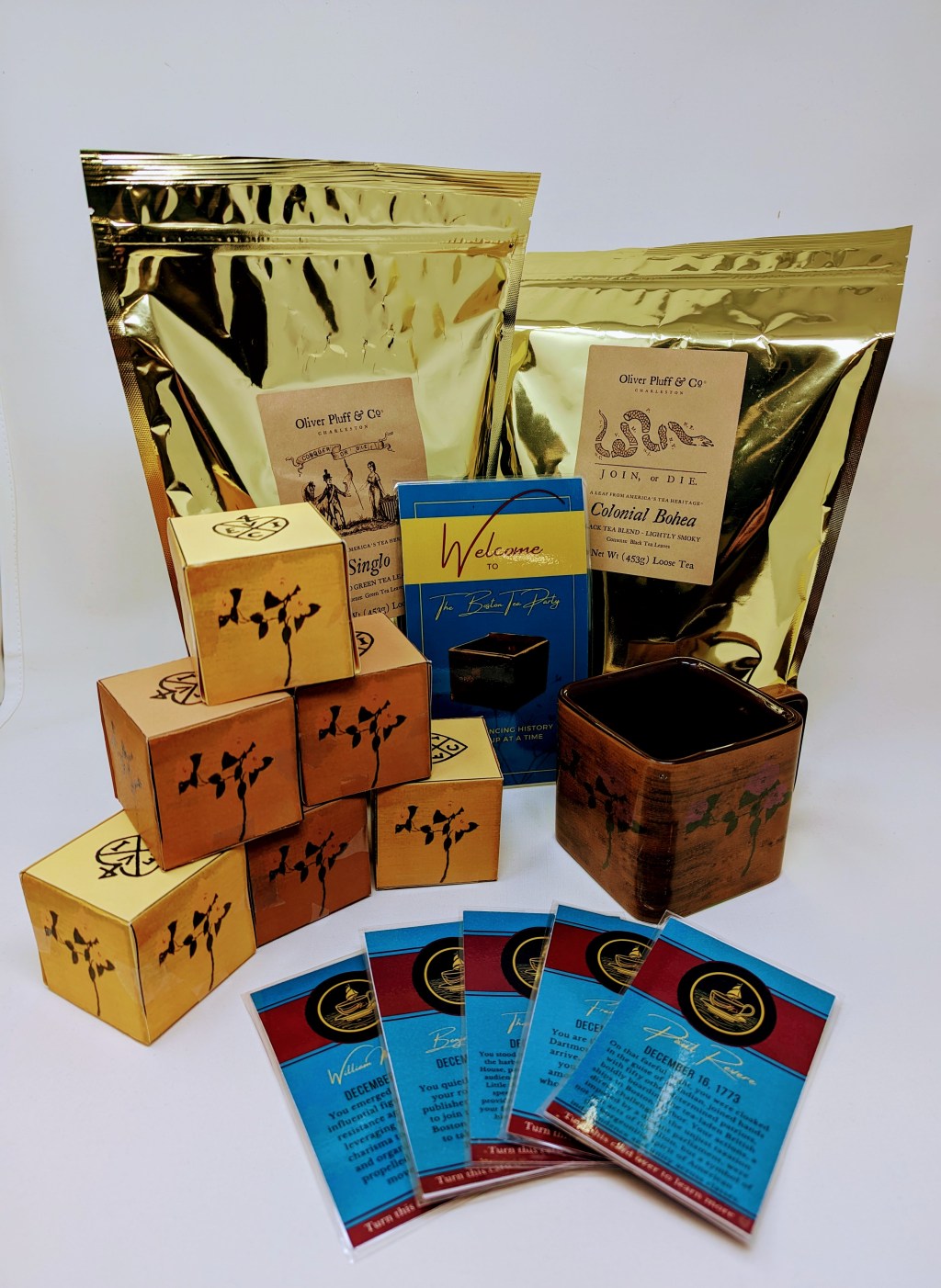
What if learning history wasn’t just about reading textbooks and memorizing dates but instead became a hands-on, immersive experience? That’s exactly what our 2nd annual Boston Tea Party event achieved, an extraordinary culmination of our students’ study of America’s Road to Revolution. It was a great example of the transformative power of Project-Based Learning (PBL) in action.

A Celebration of Learning
At the heart of this event was our students’ creativity and hard work. Throughout the unit, students explored the major events that led to the American colonies deciding to separate from England. These included pivotal moments like the Stamp Act, the Boston Massacre, and the Intolerable Acts. But instead of simply learning about them, students were charged with creating a culminating event that addressed every aspect of the unit.
The students took full ownership of the process. They decided what their individual projects would be and how they would collectively represent the content. Working together, they designed, planned, and collaborated to ensure their projects would tell a cohesive and engaging story. Along the way, they supported one another, demonstrating teamwork and creativity in equal measure.
The result was an engaging, interactive event that brought history to life in unexpected ways.

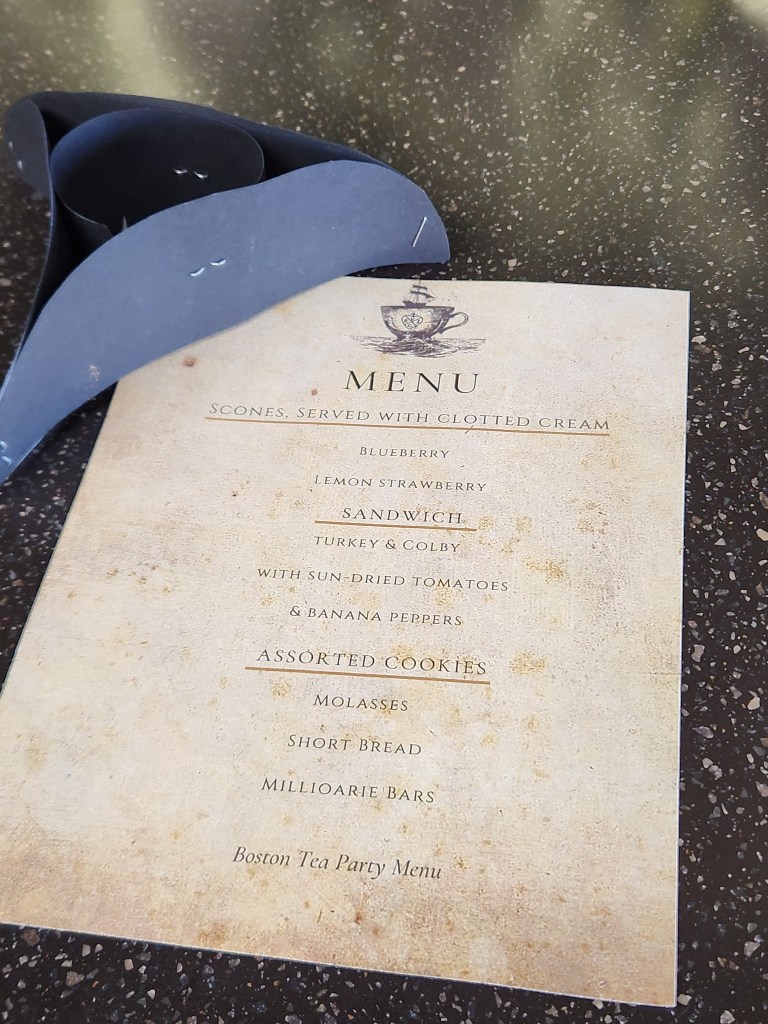

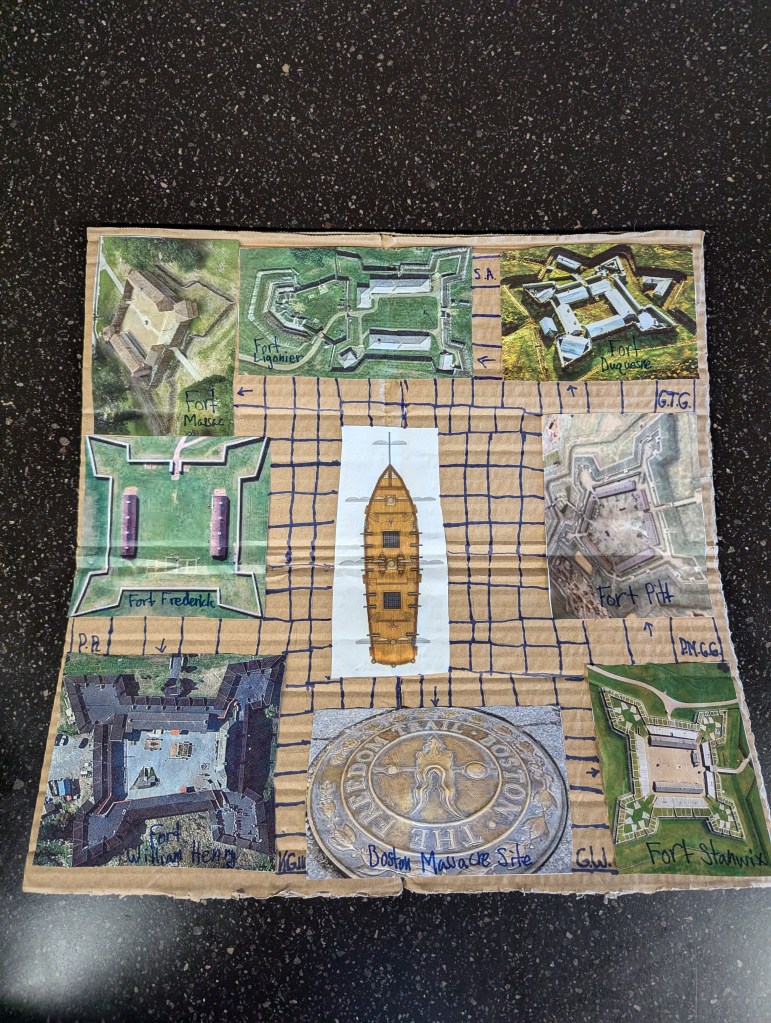
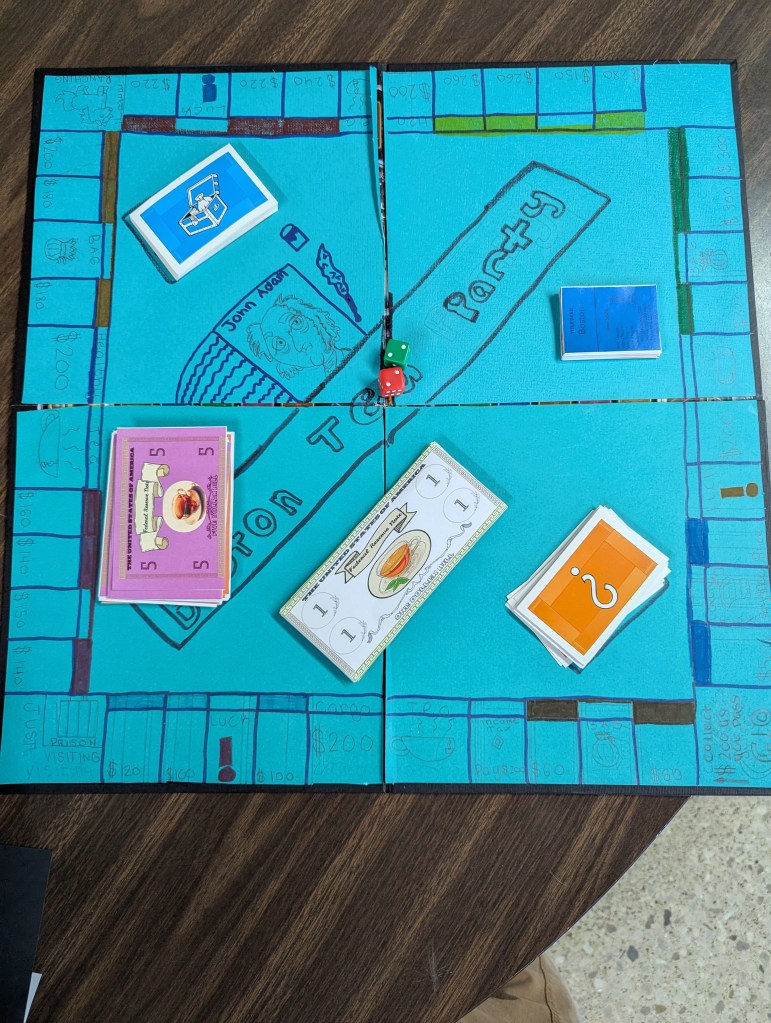


Tasting History
Rather than reenacting the Boston Tea Party, students and guests were invited to taste history. In collaboration with local business 3RD CUP TEA, we served the same varieties of tea that the colonists famously threw into Boston Harbor during the Boston Tea Party. This interactive element gave students a unique sensory experience, allowing them to connect with the past in a tangible way.
The menu also featured an array of colonial-inspired treats, including scones, clotted cream, cookies, and sandwiches. This attention to detail added authenticity and made the event even more memorable.
A Student’s Perspective

For one student, the experience was both exciting and transformative:
“I enjoyed how we were all working to represent what happened and learn. The food and tea were great, but having new people and little games made it a fun event to work for. At first, I was extremely nervous because of how many lessons there were and what I was going to do with the information, but it all worked out.”
This reflection captures the beauty of PBL: learning through collaboration, overcoming challenges, and finding joy in the process.
What Our Guests Had to Say
Our invited guests didn’t just observe the event, they engaged directly with the students, asking questions, exploring their projects, and discussing what they had learned. Mayor Jodie Perry of Mansfield, Ohio, and Jeff Sikkenga, Executive Director of the Ashbrook Center, were among the attendees. One guest shared this reflection:
“What a great event, and such creative, thoughtful, interesting students. A joy to be with them.”
This feedback speaks volumes about the impact of PBL on our students, not just in mastering content but also in building the confidence and communication skills to connect meaningfully with others.
Why This Matters
This Boston Tea Party event exemplifies the essence of PBL:
- Student-Centered Learning: Students took ownership of their projects, applying their creativity and problem-solving skills to make history come alive.
- Authentic Audience: Presenting to real community leaders and peers gave their work purpose and heightened their engagement.
- Interdisciplinary Connections: From historical research to culinary arts, students applied a wide range of skills.
- Immersive Experiences: The opportunity to taste the same tea that was thrown into Boston Harbor created a direct, sensory connection to history.
When students see their work valued and their learning celebrated, it fosters a love for education that goes beyond the classroom.
The Heart of PBL
If you’ve ever wondered what Project-Based Learning looks like, this event is a perfect example. It’s not an add-on or an occasional activity, it’s a way of integrating real-world relevance into the curriculum, where students engage deeply with content and demonstrate their learning in meaningful ways. It involved a community coming together to create meaningful engagement that will be remembered for years to come.
As one student shared, PBL not only helped them understand history but also gave them the confidence to embrace new challenges and take pride in their accomplishments. And as our guest so eloquently put it, this kind of learning creates “creative, thoughtful, interesting students” who are a joy to be around.
As I watched my students showcase their work with creativity and maturity, I couldn’t have been prouder. This is what education should be: engaging, relevant, and transformative.
Today, my heart is full.


 modernpbl.com
Leave a comment